Life Cycle Assessment

Understand Impact, Cradle to Grave

A rigorous, ISO-aligned assessment of your product's environmental footprint — from raw material extraction through manufacturing, use, and end-of-life.

What is a Life Cycle Assessment?

A complete picture, not a single number

A carbon footprint tells you how much a product emits. A Life Cycle Assessment tells you where, why, and what to do about it. It's a multi-criteria analysis that quantifies the environmental impact of a product or service across every stage of its life — extraction, manufacturing, distribution, use, and disposal — rather than a single operational snapshot.

  • Cradle-to-grave scope: the full journey of a product, not just the parts you directly control.
  • Multi-criteria: covers carbon, water use, resource depletion, and other impact categories, not emissions alone.
  • ISO-aligned methodology: structured to ISO 14040 and 14044, so results hold up to external scrutiny.
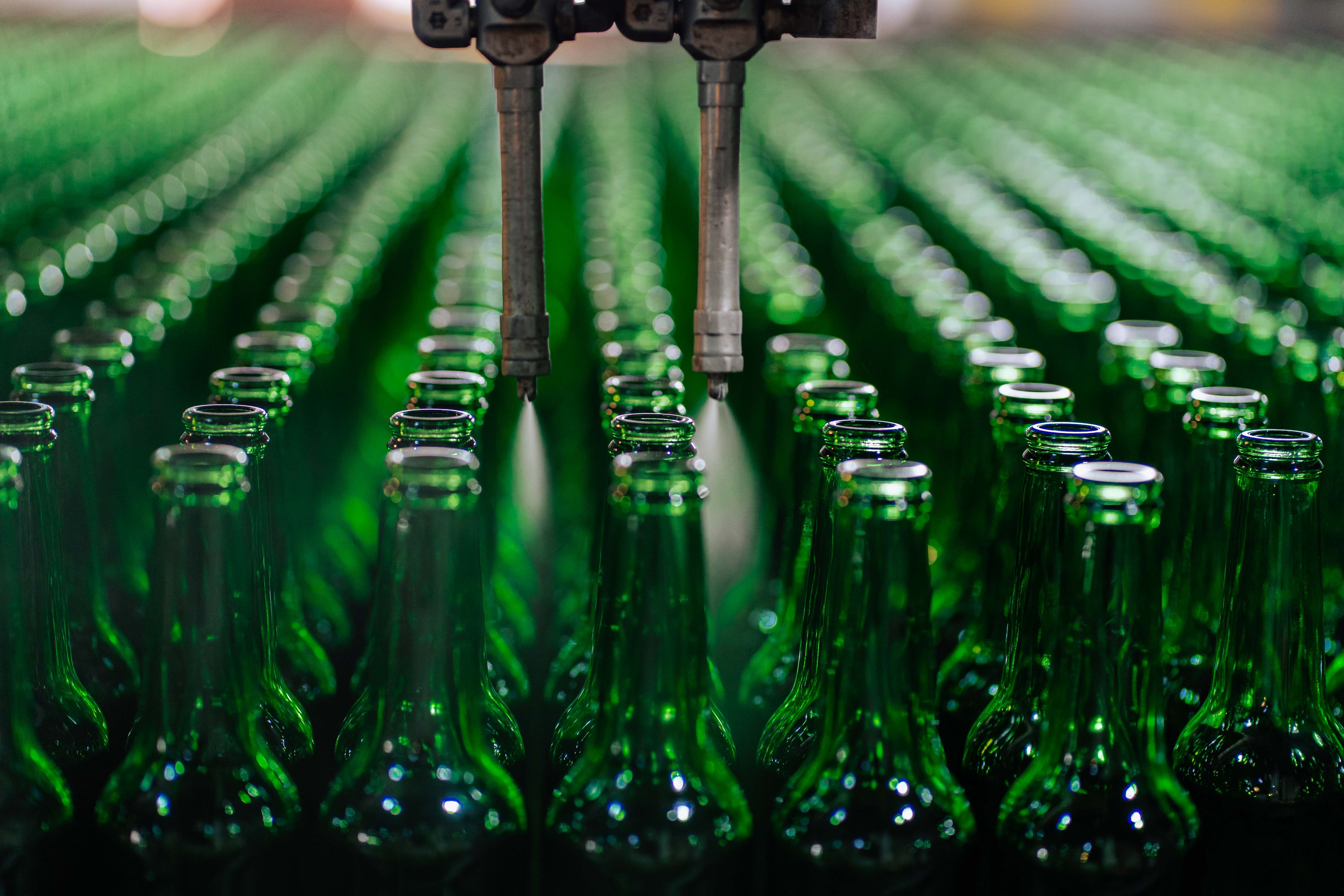
Product life cycle stages
Our methodology

How an LCA comes together

01

Goal & Scope Definition

We define why the assessment is being conducted and its boundaries — cradle-to-grave or cradle-to-gate, and the functional unit being measured.

02

Inventory Analysis

The most data-intensive stage: collecting every input (materials, energy, water) and output (emissions, waste) at each stage of the product's life.

03

Impact Assessment

Raw inventory data is translated into concrete environmental impact scores across relevant categories, using recognized calculation methods.

04

Interpretation & Reporting

Results are compiled into a clear report — for internal decision-making, eco-design, or external communication with customers and partners.

Cradle to grave product lifecycle
Full lifecycle scope

From raw material to end-of-life

Where a carbon footprint assessment often stops at your own operations, an LCA follows the product itself — through every hand it passes through before and after it reaches your customer.

  • Raw material extraction: the environmental cost of sourcing the materials that go into a product.
  • Manufacturing & distribution: processing, packaging, and transport emissions across the supply chain.
  • Use & end-of-life: impact during the product's working life, and how it's disposed of, recycled, or reused.
Where it's used

More than a compliance exercise

Done well, an LCA becomes a decision-making tool your teams actually use — not a report that sits in a drawer once it's filed.

  • Eco-design: compare material and design choices before a product is finalized, not after.
  • Supplier & material comparison: identify which suppliers, materials, or processes drive the most impact.
  • Environmental labeling: support Environmental Product Declarations (EPDs) and credible sustainability claims.
  • Regulatory readiness: feed into broader disclosure requirements, including CSRD and sector-specific frameworks.
Product eco-design and supplier comparison

The VerdisKo difference

We combine engineering precision with sustainable strategy — the reason our clients trust us with what matters most.

Book a consultation

Integrated strategy

We bridge the gap between high-level strategy and operational execution, so your sustainability goals are financially sound and actionable.

Data-driven rigor

Our methodologies are grounded in scientific frameworks and advanced analytics, giving you verifiable accuracy and confidence.

Long-term partnership

We don't just deliver reports — we partner with you, adapting strategies as your business evolves and new challenges arise.

Our Impact

Measured Results, Not Just Reports

An LCA only matters if it changes real decisions. Here's what our work has delivered.

15+

Years of combined engineering and sustainability experience across our team.

4

ISO-aligned phases in every assessment we deliver — goal, inventory, impact, and interpretation.

1.2M+

Tonnes of CO₂e measured and reported across our carbon and lifecycle engagements.

// FAQ

Common LCA questions

Don't see what you're looking for?

Ask our sustainability team directly — we'd love to help answer your project questions.

Ask our team
What's the difference between an LCA and a Carbon Footprint Assessment?

A Carbon Footprint Assessment measures greenhouse gas emissions, usually at the organization or facility level. An LCA is broader and product-specific — it covers multiple environmental impacts (not just carbon) across a product's entire life cycle, from raw materials to disposal. Many clients use both together: carbon accounting for company-wide reporting, LCA for product-level decisions.

What does "cradle-to-grave" actually mean?

It means the assessment covers a product's entire life — from extracting raw materials, through manufacturing and distribution, to its use and eventual disposal or recycling. This is different from a "cradle-to-gate" scope, which stops once the product leaves the factory, and is a narrower, faster assessment.

Is your methodology aligned with ISO standards?

Yes. We structure every assessment around the ISO 14040 and 14044 framework, covering goal and scope definition, inventory analysis, impact assessment, and interpretation — so results are defensible to auditors, regulators, and customers.

How long does an LCA take, and what data do you need from us?

Timelines depend on the product's complexity and how much data already exists. The inventory analysis stage — collecting materials, energy, and waste data across the life cycle — is usually the most time-intensive part. We'll scope realistic timelines with you before work begins, and help identify what data is genuinely needed versus nice to have.

Can an LCA support environmental labeling or an EPD?

Yes — a properly scoped, ISO-aligned LCA is the underlying analysis behind most Environmental Product Declarations (EPDs) and credible sustainability labeling. We can scope the assessment specifically to support that outcome from the start.